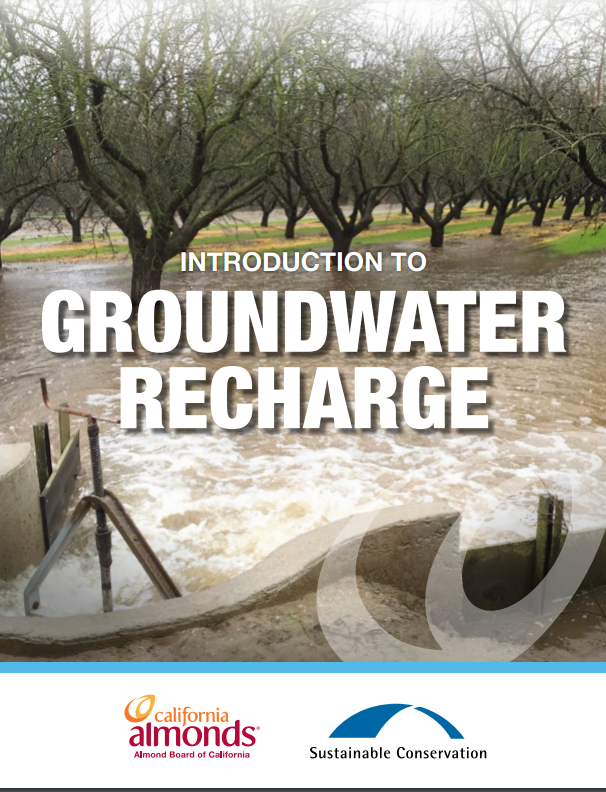
Through this guide, California almond growers can begin evaluating their options for addressing local sub-basin overdraft through recharge, helping secure reliable, sufficient, and drought resilient groundwater supplies. In areas where soil conditions are suitable and excess water is available, ground water recharge represents one of the most cost-effective methods to increase storage, thereby ensuring water supply and improving water quality.
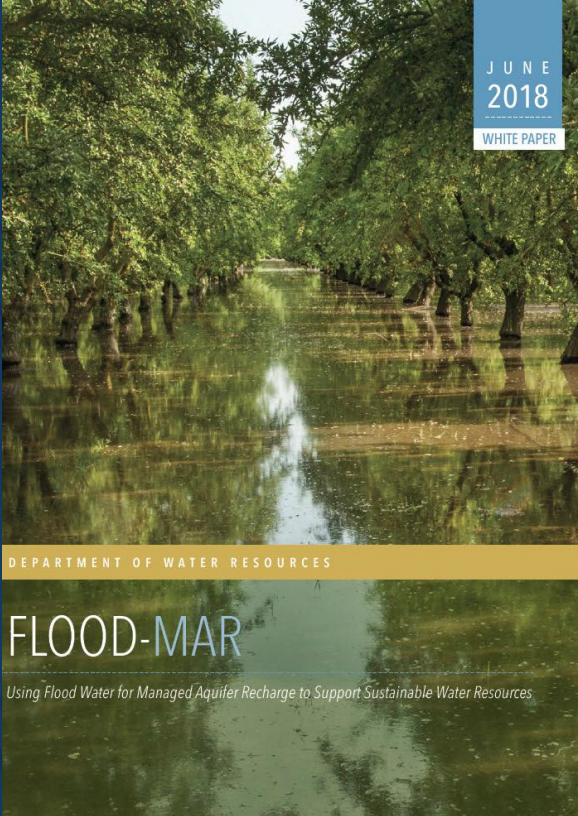
The California Department of Water Resources (DWR) prepared this white paper to explore opportunities to use flood water for managed aquifer recharge (Flood-MAR) because DWR recognizes the need to rehabilitate and modernize water and flood infrastructure in California.
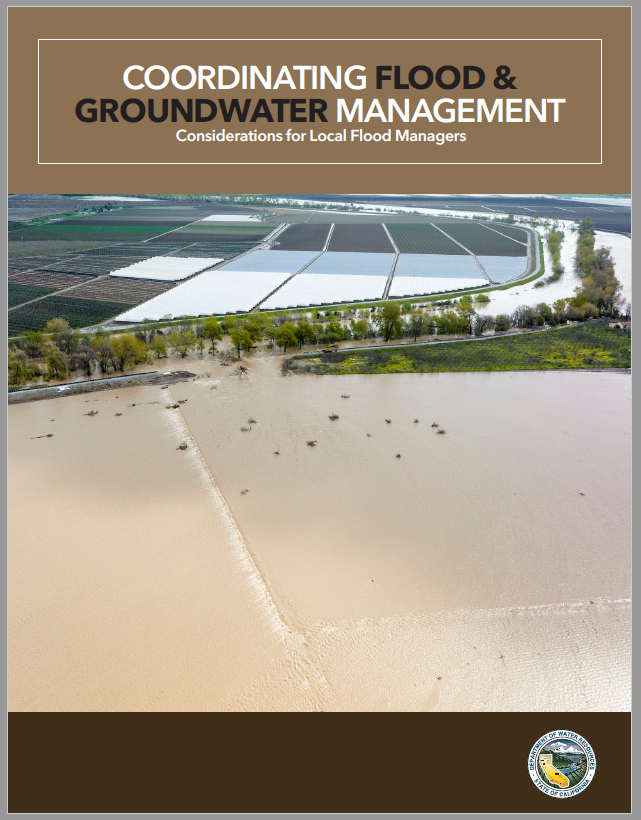
The California Department of Water Resources (DWR) prepared this brochure to describe opportunities that improve use of floodwater for managed aquifer recharge (Flood-MAR) to reduce flood risk, increase groundwater recharge, adapt to climate change, and provide other benefits.
This Flood-MAR Research and Data Development Plan (R&DD Plan) presents the work of the Flood-MAR Research Advisory Committee (RAC), a multidisciplinary group of subject matter experts across 13 research themes. The RAC was tasked to identify the research, data, guidance, and tools necessary to support and expand the implementation of Flood-MAR projects.
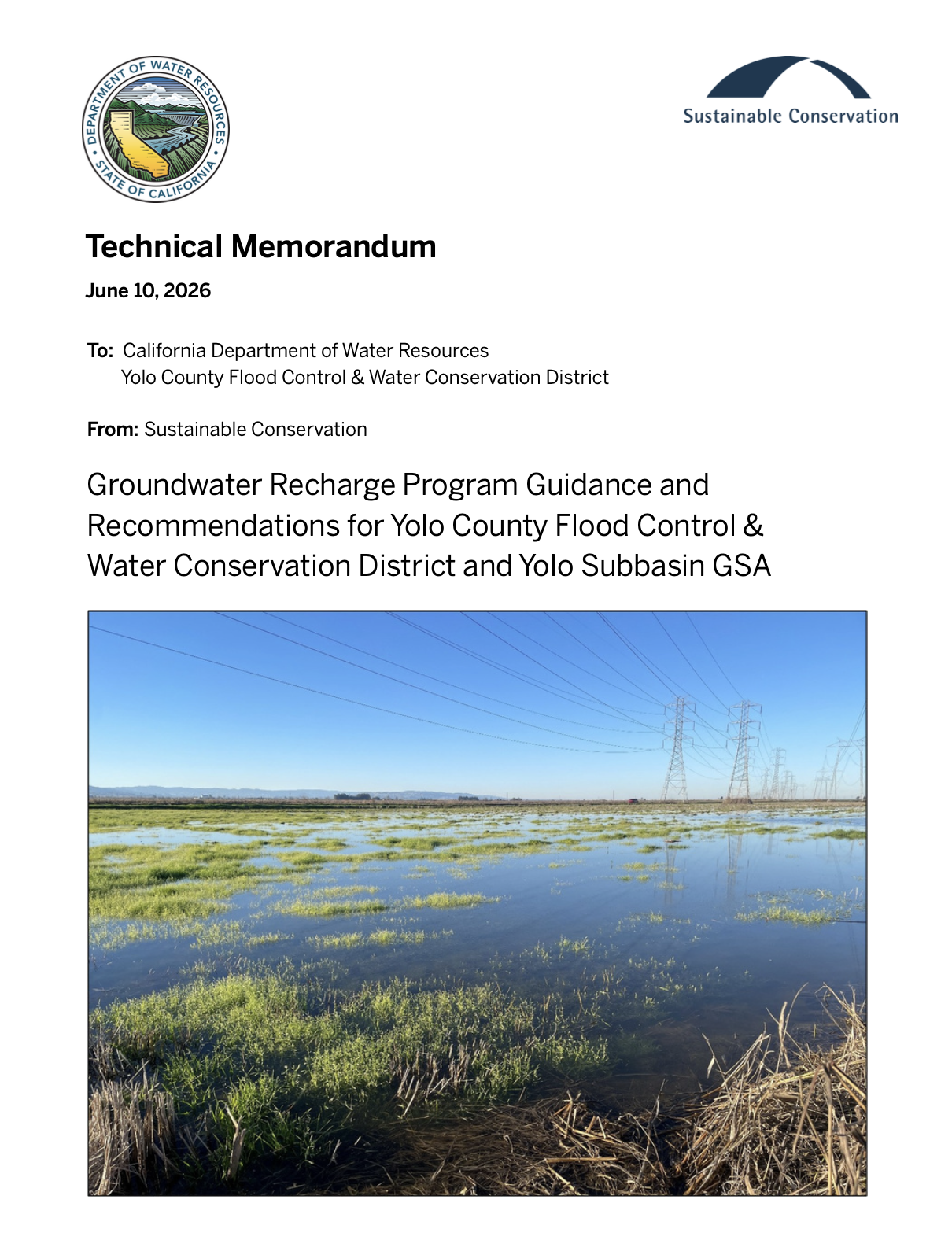
This technical memorandum provides guidance for developing and expanding on-farm groundwater recharge programs using the Yolo County Flood Control & Water Conservation District as a case study. It presents a practical field prioritization methodology, summarizes implementation lessons from the 2025–2026 recharge season, and offers recommendations for grower outreach, incentives, and future recharge planning.
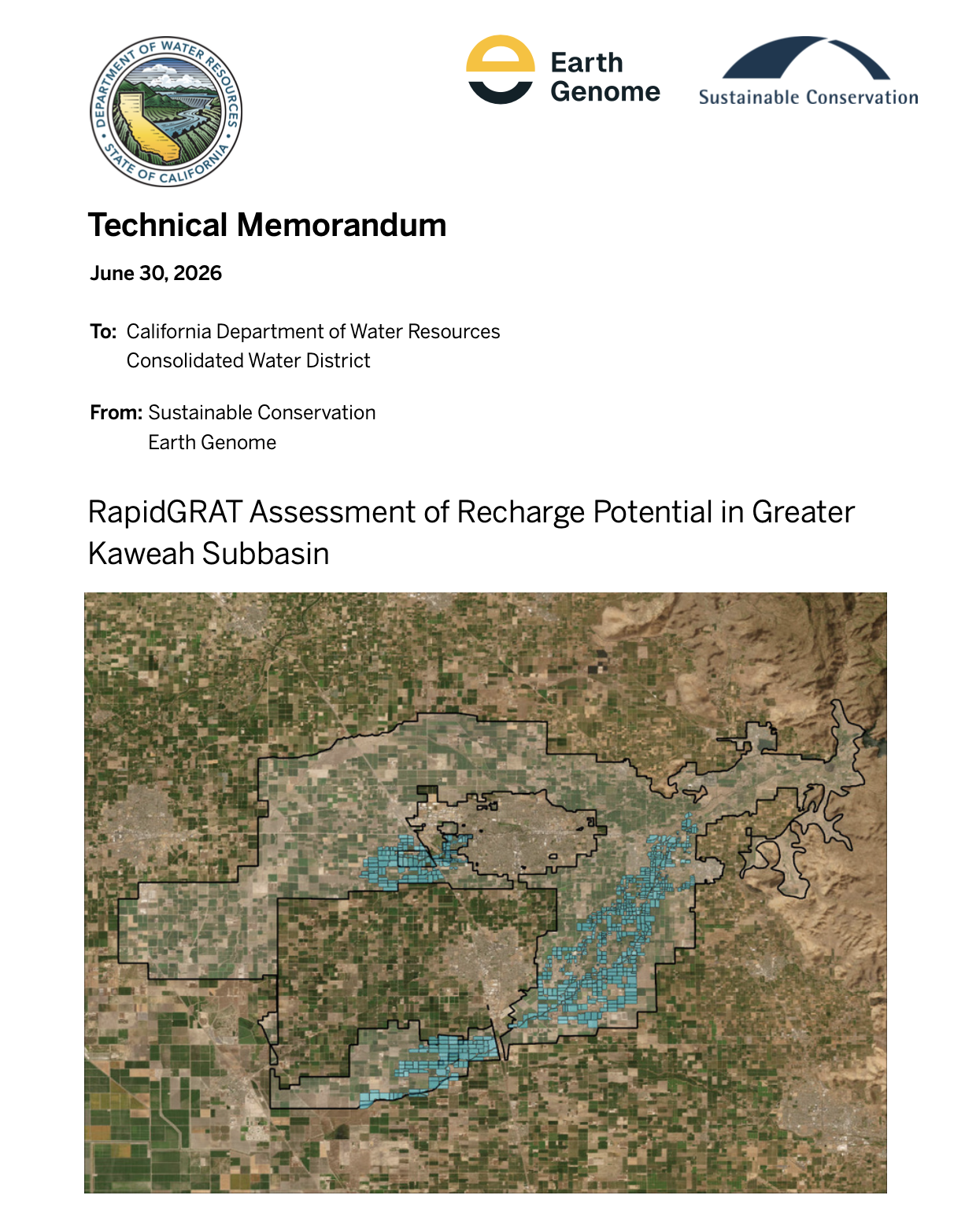
Introduces RapidGRAT, a streamlined tool for rapidly estimating managed aquifer recharge potential at the basin scale. Using the Greater Kaweah Subbasin as a case study, this technical memorandum describes a scalable methodology that combines land use, soil suitability, crop compatibility, and conveyance capacity to identify recharge opportunities and support groundwater sustainability planning, infrastructure investments, and funding applications.
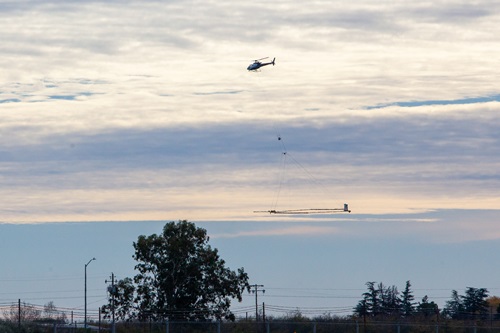
The Department of Water Resources is conducting airborne electromagnetic (AEM) surveys in California’s high- and medium-priority groundwater basins, where data collection is feasible, to assist local water managers as they implement the Sustainable Groundwater Management Act (SGMA) to manage groundwater for long term sustainability.
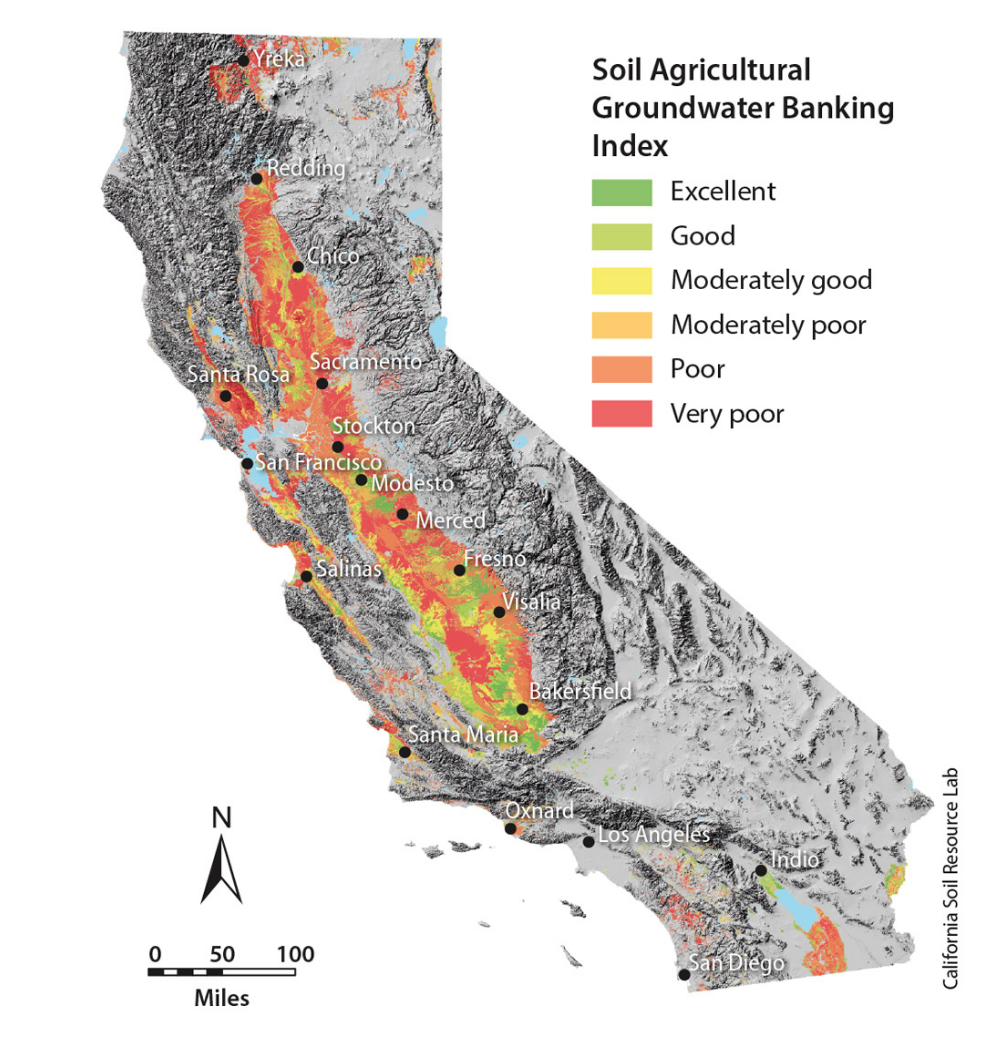
The Soil Agricultural Groundwater Banking Index (SAGBI) is a suitability index for groundwater recharge on agricultural land. The SAGBI is based on five major factors that are critical to successful agricultural groundwater banking: deep percolation, root zone residence time, topography, chemical limitations, and soil surface condition.
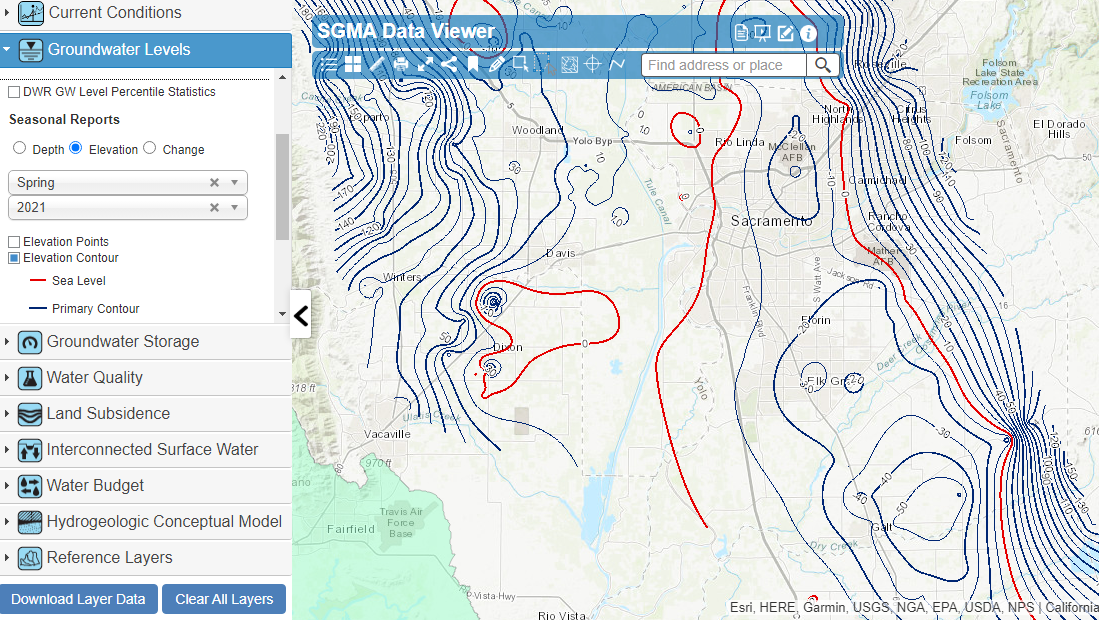
As part of DWR’s technical assistance to Groundwater Sustainability Agencies (GSAs), other water managers, and the public, DWR has developed the SGMA Data Viewer. The SGMA Data Viewer provides access to groundwater-related datasets that are organized by the requirements of SGMA and the Groundwater Sustainability Plan (GSP) regulations for the purposes of supporting GSP development and implementation.
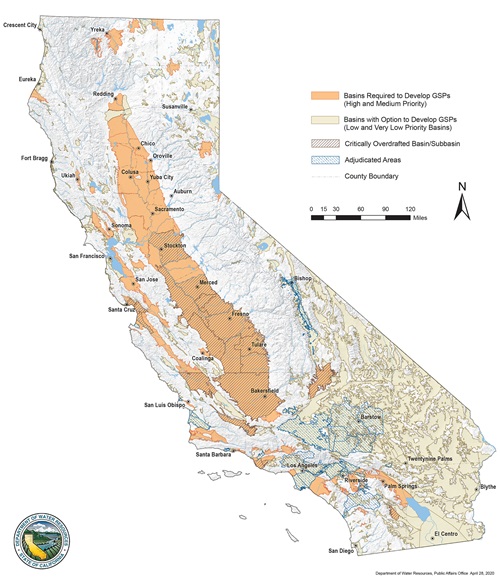
The historic passage of SGMA in 2014 set forth a statewide framework to help protect groundwater resources over the long-term. SGMA is comprised from a three-bill legislative package, including AB 1739 (Dickinson), SB 1168 (Pavley), and SB 1319 (Pavley), and subsequent statewide Regulations. In signing SGMA, then-Governor Jerry Brown emphasized that “groundwater management in California is best accomplished locally.”
The purpose of the Groundwater Resource Hub is to help local agencies achieve sustainable groundwater management by providing the science and tools needed to help address nature’s water needs. Over time, the goal is to improve statewide and local understanding of nature’s groundwater needs to reduce uncertainties and therefore enhance sustainable groundwater management.
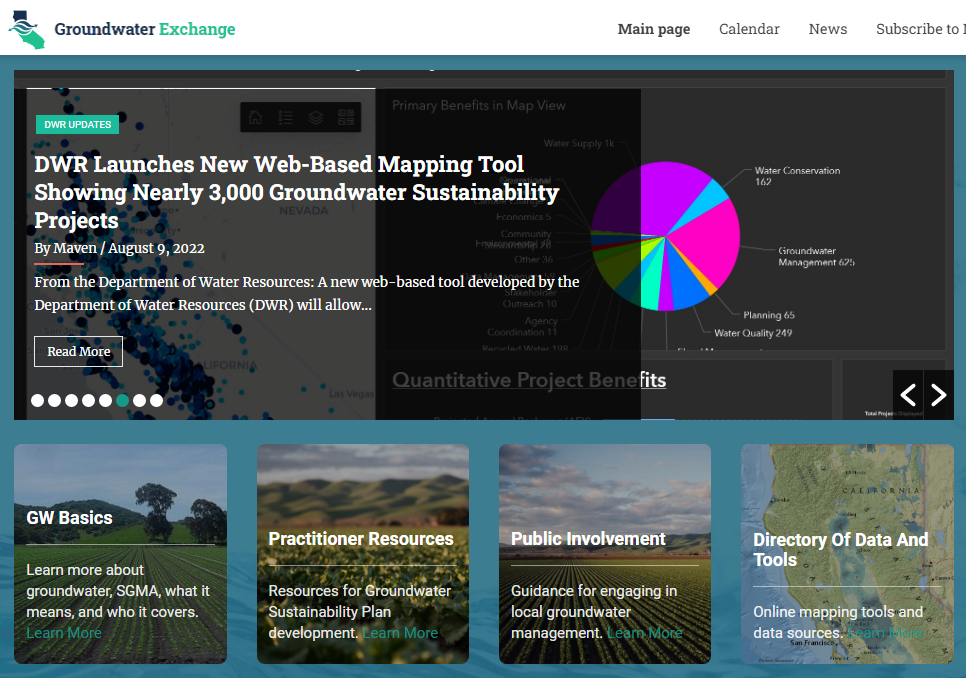
The Groundwater Exchange is a central, collaborative, and publicly accessible online resource center connecting water managers, water users, and community members with tools and resources to support the design and implementation of effective Groundwater Sustainability Plans under California’s Sustainable Groundwater Management Act.
Groundwater Demand Management in California (Lunch-MAR | August 2026)
California’s Groundwater Sustainability Agencies are pioneering diverse approaches to GDM, from pumping allocations and recharge credits to tiered fee structures and market-based incentives. This Lunch-MAR session examines real-world case studies across the state, comparing measurement methods, funding mechanisms, and the key elements that define successful GDM communities, while exploring both lessons learned and strategic wins in basin-scale implementation.
Scaling up Recharge in the Sacramento Valley (Lunch-MAR | July 2026)
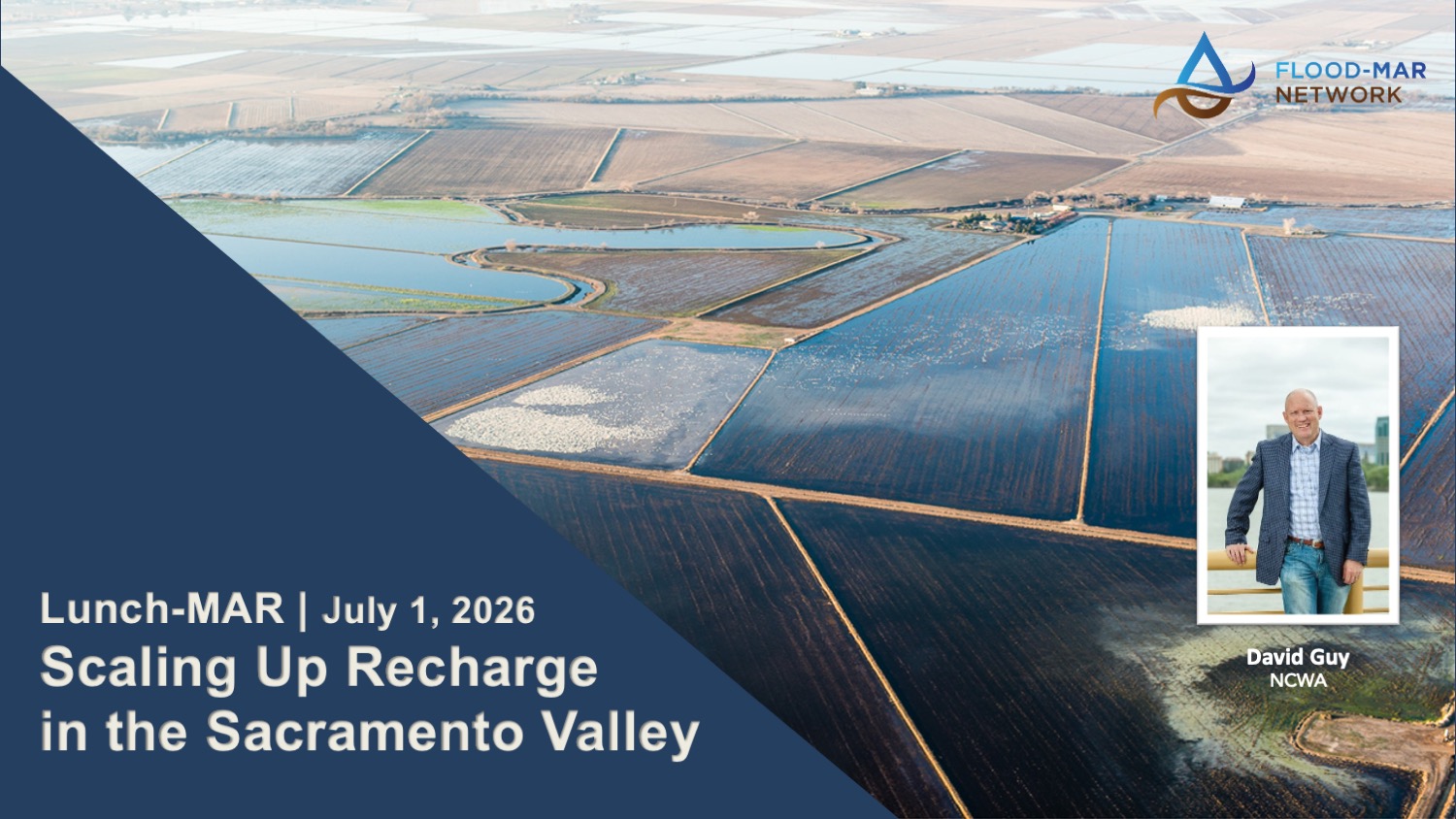
David Guy speaks about the efforts underway to scale up groundwater recharge in the Sacramento Valley to improve water supply reliability during dry years by improving water management during wet periods, while protecting downstream water rights, the environment, and tribal interests.
Connecting Solutions for Groundwater Resilience - Voices from the Field Spring 2026 Episode 2
Sustainable Conservation's second webinar in our Spring 2026 Voices from the Field webinar series explored how groundwater recharge and multibenefit land repurposing work in tandem to support long-term groundwater sustainability and climate resilience across California. By storing water underground in wet years and strategically reducing demand on groundwater supplies, these approaches can improve water reliability, reduce flood risk, and restore habitat, building a more resilient future.